Water is so fundamental to life that its absence is often overlooked rather than feared. Most people assume dehydration is an extreme condition—something that happens only in heat waves, during illness, or after intense exercise. In reality, chronic mild dehydration is one of the most common and underrecognized health issues, affecting millions of people daily without dramatic warning signs.
You do not need to feel intensely thirsty to be dehydrated. In fact, thirst is often a late signal. By the time you notice it, your body may already be operating below optimal levels. This is especially true as we age, because the thirst mechanism becomes less sensitive over time. Many adults—particularly those over 50—walk through their days mildly dehydrated, assuming fatigue, headaches, stiffness, or brain fog are simply “normal.”
They are not.
Water is involved in nearly every process in the body: regulating temperature, transporting nutrients, cushioning joints, maintaining blood pressure, supporting digestion, and enabling brain signaling. When water intake is consistently too low, the body adapts—but those adaptations come at a cost. Over time, even mild dehydration can quietly strain the heart, kidneys, brain, and digestive system.
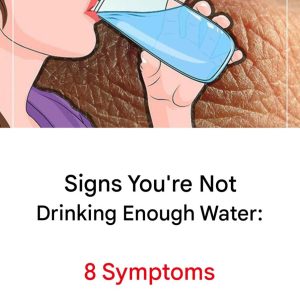
Below are eight common symptoms that often signal you’re not drinking enough water, even if you believe you are. Many of these signs are subtle, easily misattributed, and surprisingly widespread.
1. Constant Fatigue or Low Energy That Doesn’t Improve With Rest
One of the earliest and most common signs of dehydration is persistent fatigue. When you are dehydrated, blood volume decreases slightly, forcing the heart to work harder to deliver oxygen and nutrients to tissues. This extra effort translates into physical tiredness and mental sluggishness.
Unlike sleep-related fatigue, dehydration-related tiredness often:
Appears mid-morning or mid-afternoon
Does not improve much with rest
Feels like heaviness or lack of motivation rather than sleepiness
Even a small drop in hydration can impair cellular energy production. Muscles fatigue faster. The brain uses more effort to concentrate. Tasks that normally feel easy suddenly feel draining.
Many people respond by reaching for caffeine or sugar, which can temporarily mask symptoms while worsening dehydration over time.
2. Headaches or a “Tight” Feeling in the Head
Dehydration headaches are extremely common and frequently misdiagnosed as tension headaches or migraines. When the body lacks adequate water, the brain can temporarily shrink slightly due to reduced fluid volume. This creates tension on pain-sensitive structures and can trigger headache pain.
These headaches often:
Feel dull, tight, or pressure-like
Worsen with movement or bending over
Improve noticeably after drinking water
Because headaches have many causes, dehydration is often overlooked. Yet for many people, increasing daily water intake significantly reduces headache frequency without medication.
3. Dry Mouth, Lips, or Sticky Saliva
A dry mouth is one of the most obvious signs of dehydration, but it is also one of the most ignored. Saliva production depends heavily on hydration. When fluid levels drop, saliva thickens and decreases.
Signs include:
Sticky or foamy saliva
Dry or cracked lips
A cottony feeling in the mouth
Increased thirst for sugary or acidic drinks
Dry mouth is not just uncomfortable—it increases the risk of cavities, gum disease, and oral infections. Saliva plays a critical role in protecting teeth and neutralizing bacteria.
4. Brain Fog, Poor Focus, or Memory Lapses
The brain is about 75 percent water, and even mild dehydration can affect cognitive performance. Studies show that dehydration impairs attention, short-term memory, processing speed, and mood.
Common experiences include:
Difficulty concentrating
Forgetting simple things
Feeling mentally “cloudy”
Increased irritability or anxiety
Because these symptoms overlap with stress, aging, or poor sleep, dehydration is rarely considered. Yet many people report significant mental clarity improvements simply by drinking water consistently throughout the day.
5. Dark Yellow Urine or Reduced Urination
Urine color is one of the most reliable indicators of hydration status. Pale yellow urine generally indicates adequate hydration, while dark yellow or amber-colored urine suggests dehydration.
Other warning signs include:
Strong-smelling urine
Urinating less frequently
Feeling the urge to urinate but producing very little
The kidneys rely on sufficient water to filter waste efficiently. Chronic dehydration increases kidney strain and raises the risk of kidney stones and urinary tract infections.
6. Muscle Cramps, Joint Stiffness, or Aches
Water plays a key role in electrolyte balance and joint lubrication. When hydration is low, muscles are more prone to cramping, and joints may feel stiff or achy—especially in the morning or after activity.
Dehydration-related musculoskeletal symptoms may include:
Nighttime leg cramps
Stiff fingers or knees
Increased soreness after mild exercise
Many people attribute these symptoms to aging or arthritis, not realizing that inadequate hydration reduces the effectiveness of synovial fluid, which cushions joints.
7. Digestive Issues, Including Constipation or Acid Reflux
The digestive system depends on water to move food smoothly through the intestines. When water intake is low, the colon pulls more water from stool, making it hard and difficult to pass.
Signs of dehydration-related digestive issues include:
Constipation
Bloating
Sluggish digestion
Worsening acid reflux
Water also helps dilute stomach acid. Low hydration can make reflux symptoms worse, especially at night.
8. Dry Skin and Reduced Skin Elasticity
While skin dryness can be influenced by environment and aging, chronic dehydration contributes significantly. When the body lacks water, it prioritizes vital organs over skin hydration.
Dehydrated skin may appear:
Dull or flaky
Less elastic (slow to bounce back when pinched)
More prone to irritation
While drinking water is not a cure-all for skin aging, consistent hydration supports skin barrier function and overall appearance from the inside out.
Why Dehydration Is More Common Than You Think
Many people believe they drink enough water, but several factors make dehydration more likely:
Relying on thirst as a cue
Drinking mostly coffee, tea, or alcohol
Avoiding fluids to reduce bathroom trips
Aging-related decline in thirst sensation
Certain medications (diuretics, blood pressure drugs)
Mild dehydration often becomes a daily baseline rather than a noticeable problem.
How Much Water Do You Really Need?
There is no single number that fits everyone. Needs vary based on body size, activity level, climate, diet, and health status. However, a practical guideline is to:
Drink regularly throughout the day
Aim for pale yellow urine
Increase intake during heat, illness, or activity
Water-rich foods such as fruits, vegetables, soups, and broths also contribute meaningfully to hydration.
Simple Habits That Improve Hydration Without Effort
Drink a glass of water upon waking
Pair water with meals
Sip consistently rather than chugging
Use reminders or visible water bottles
Flavor water lightly if needed (lemon, cucumber)
Hydration is not about perfection. It is about consistency.
The Bigger Picture: Hydration and Long-Term Health
Chronic dehydration doesn’t usually cause dramatic symptoms overnight. Instead, it quietly increases strain on the heart, kidneys, brain, and digestive system over years. It contributes to fatigue, cognitive decline, constipation, kidney stones, and reduced physical resilience.
The body is remarkably adaptable, but adaptation is not the same as optimal function.
Final Thought: Thirst Is Not the Only Signal
If you recognize yourself in several of these symptoms, your body may be asking for something simple and powerful: water.
Not a supplement.
Not another stimulant.
Not another diagnosis.
Just hydration.
Sometimes the most effective health intervention is also the most basic. When the body has enough water, everything works a little better—quietly, steadily, and without drama.
And often, that’s exactly how real health improvements begin.